
Nov 3, 2026
What is Aloe Emodin Bulk Powder?
Aloe emodin powder is a bioactive anthraquinone compound chemically identified as 1,8-dihydroxy-3-(hydroxymethyl)anthraquinone (CAS No. 481-72-1). Extracted from the leaves of Aloe vera L. var. chinesis (Haw.) Berger, it appears as a brown-yellow powder with a molecular formula of C₁₅H₁₀O₅ and molecular weight of 270.24 g/mol. In B2B manufacturing, it delivers standardized, high-purity phytochemical performance across pharmaceuticals, cosmetics, dietary supplements, and functional foods — making it one of the most versatile plant-derived actives available to product developers and procurement teams today.
Understanding Aloe Emodin Bulk Powder
Chemical Identity and Purity Grades
Aloe emodin is not the same as raw aloe vera gel or whole-leaf powder in terms of its structure. It is a member of the anthraquinone family and can be found naturally in aloe leaf latex. Industrial extraction and HPLC purification produce commercial grades that are usually between 95% and 98% pure, which is good enough for use as an intermediate in pharmaceuticals, in cosmetics, and in nutraceuticals.
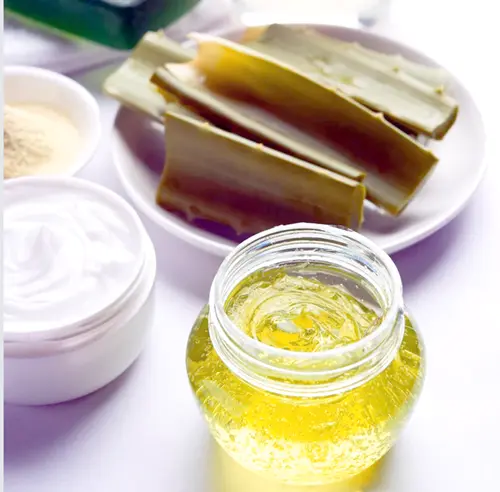
Nuoyuanbio has a wide range of specifications to meet the needs of different product developers:
- Ratio extract 10:1 — cheap choice for healthy foods and general-purpose vitamins.
- Total glycosides 10%, 20%, 30% — standard amounts for consistent functional dosing.
- Aloin A 10%, 20%, 50%, 90% — tiers of purity for topical and oral use.
- Aloe emodin 95% and 98% — high-purity concentrate that is pharmaceutical-grade and has been tested by HPLC.
- Aloin A+B 10%, 20%, 30%, 40% — mixed anthraquinone amounts for specific uses.
- Aloesin 95% — chromone-type chemical that is often used in skin-brightening products.
Both TLC and HPLC tests confirm these specifications, making sure that every batch has consistent active ingredients. This is very important for brands that can't have their potency change from one production run to the next.
Key Bioactive Properties
The known pharmacological makeup of aloe emodin sets it apart from other aloe products. Anti-inflammatory, antibacterial, and antioxidant effects have been found in research that has been published in peer-reviewed papers. It doesn't dissolve well in water but does dissolve well in hot ethanol and ether, which makes it perfect for lipid-based delivery methods and dry skincare formulas. For formulators who work with production equipment that needs to handle a lot of heat, thermal stability during normal manufacturing processes is even more useful.
Comparing Aloe Emodin Powder to Other Related Products
How It Differs from Crude Aloe Vera Extract?
A lot of procurement managers think that aloe emodin powder and aloe vera extract are the same thing at first, but they're not. Raw aloe vera extract has acemannan polysaccharides, enzymes, vitamins, and different amounts of anthraquinones. It also has resinous gums that can make it harder for the body to absorb and cause differences between batches. Aloe emodin powder, on the other hand, is a blend of a single substance. It gets rid of unwanted rubber proteins and byproducts that aren't meant to be there, giving each patient the exact amount of active pharmaceutical ingredient (API) they need.
Aloin is the bitter anthraquinone substance that makes aloe work as a laxative. It is now limited or banned as an edible ingredient in many countries, including the US (FDA took it off the GRASE list in 2002). When formulators get high-purity aloe emodin powder in uniform grades, they can work with controlled anthraquinone levels instead of the varying aloin content that comes from raw leaf materials.
Pure vs. Blended Formulations in OEM Contexts
When making private label or OEM products, picking between a single-compound extract and a blended ratio extract has important effects further down the line. A 98% pure aloe emodin concentrate has the most strength per gram, making it perfect for capsules or tablets where accurate label claims are needed. Ratio extracts like 10:1 work well in food and drinks where functional positioning, not pharmacological dosing, is what drives purchases. Picking the right specification from the start saves a lot of money in the long run.
Procurement Guide for Aloe Emodin Bulk Powder
Sourcing Criteria That Matter in B2B Decisions
In 2022, the world market for plant extracts was worth about usD 36.7 billion. It is still growing, with China still making the most standardized aloe extracts. For reliable buying, you need more than just a good price. You also need to be able to handle logistics and make sure that the certifications you get are real.
Before making a business order, you should look at these main procurement factors:
- Certifications: ISO 9001 sets the standards for quality control; KOSHER and HALAL allow entry to Middle Eastern, Jewish, and Muslim customers — Nuoyuanbio has all three.
- Testing documentation: An official Certificate of Analysis (COA) with HPLC chromatograms is the usual way to check if active content claims are true. Any serious supplier proposal should come with MSDS and stability data.
- MOQ flexibility: Nuoyuanbio takes sample requests and small-kilogram trial orders before the commercial MOQ of 25 kg per drum, lowering the risk for brands when they are developing new products.
- Logistics coverage: Available shipping options include FedEx, DHL, UPS, air freight, sea freight, and DDP (Delivered Duty Paid) by both air and sea — a big plus for cross-border brands that have to deal with complicated customs rules.
- Inventory status: Ready stock that can be shipped quickly saves e-commerce and subscription brands from expensive stockouts.
Together, these criteria lower the risk in the supply chain and help people make confident, data-based decisions about what to buy.
How to Use Aloe Emodin Powder Effectively?
Application Across Industries
Because it can do many different things, aloe emodin is used in more finished goods than most single-compound botanical extracts. Knowing the context of the application helps procurement teams choose the right grade of aloe emodin powder—whether the target is a supplement, a functional food, or a topical formulation, the purity, particle size, and carrier system should all be matched to the end use.
In skincare and cosmetics, it helps creams, serums, and after-sun gels fight inflammation and germs. Its healing effects work well with barrier-repair products. As part of Nuoyuanbio's specification portfolio, aloesin 95% is highly valued in brightening products because it stops tyrosinase from working.
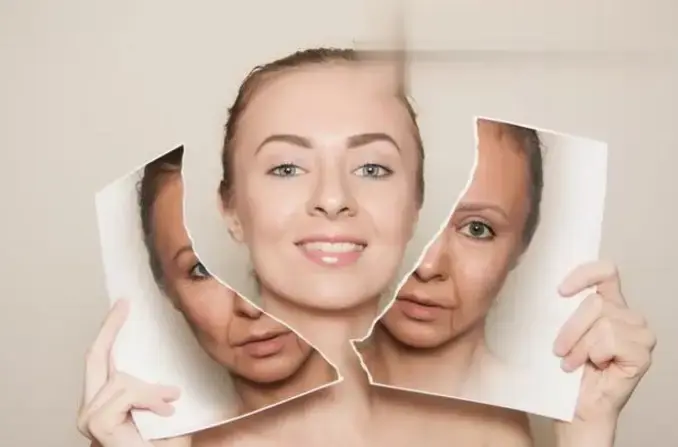
In dietary supplements and nutraceuticals, the controlled amount of aloin supports digestive health claims by easing rare constipation by speeding up intestine peristalsis. Antioxidant qualities also support these claims. Because of the way the powder is made, it can be put into capsules, tablets, or granules.
In oral care, anti-inflammatory properties make it a good idea to include them in toothpaste and mouthwash that are meant to keep gums healthy. In pet care, aloe-based products are becoming more popular because they work well for soothing skin problems on animals.
Formulators who work with water-based systems should be aware that the molecule doesn't dissolve easily in water and plan accordingly. They can add solubilizers or choose a glycoside-rich fraction over the pure aglycone form when water dispersibility is needed.
Choosing the Right Aloe Emodin Powder Supplier
What Separates Reliable Suppliers from the Rest
Not every company that sells aloe extracts can give B2B buyers the level of detail in their paperwork, the range of specifications they offer, and the organizational support they need. A trustworthy company that makes aloe emodin powder should be able to show that their HPLC results are consistent from batch to batch, keep their internationally recognized quality certifications up to date, and communicate clearly with customers during the whole sampling and order process.
Nuoyuanbio has a 30,000 m² factory in Xi'an, China, that has five HPLC instruments and a quality control team to help them run the business. The company has been exporting to North America, Europe, and South America for more than 10 years, so it can offer long-term supply partnerships that are both technically sound and reliable in business. Brands can streamline their relationships with suppliers and cut down on the time it takes to get their products to market with OEM and ODM solutions that include capsules, softgels, tablets, granules, gummies, and private label packaging.
Conclusion
Aloe emodin bulk powder has a specific and useful place in the modern process of getting ingredients. Its standard clarity, well-documented bioactivity, and ability to be used in multiple industries make it a smart choice for companies that make makeup, supplements, and functional foods. Finding a source that can balance flexible specifications with strict paperwork and reliable logistics is the key to getting the most out of its business potential.
The first step in building a supply chain that supports long-term product success is to figure out what makes a high-quality extract different from a standard product. The same principle applies to aloe emodin powder: not all ingredients are created equal, and the gap between a premium, rigorously tested ingredient and a commodity-grade one can determine whether your final product performs as promised—or fails in the market.
FAQ
1. What specifications of aloe emodin powder are available for bulk purchase?
Nuoyuanbio offers different grades, such as a 10:1 ratio extract, total glycosides 10% to 30%, aloin A 10% to 90%, aloe emodin 95% and 98%, aloin A+B 10% to 40%, and aloesin 95%. To make sure there is active material in all grades, TLC and HPLC tests are done.
2. What certifications should I look for when sourcing aloe extract ingredients?
In terms of quality control, ISO 9001 is the baseline quality management standard. Getting KOSHER and HALAL licenses is important if you want to sell to Jewish or Muslim people. In addition to supplier-issued COAs, third-party testing results add another level of proof.
3. Is aloin safe to use in oral supplements sold in the United States?
In 2002, the FDA took aloe laxatives with aloin out of its GRASE standard because there wasn't enough safety data. Before finishing formulations, procurement teams that are going after the US market should make sure that the standard they choose has the right amount of aloin and is classified by the government.
4. What is the minimum order quantity, and can I request a sample first?
The MOQ for business use is 25 kg per drum. You can, however, order samples or small trial orders before committing to a full commercial order. This is a useful option for brands that are still developing new products.
5. How is the product shipped internationally?
There are many shipping options, such as FedEx, DHL, UPS, standard air freight, sea freight, and DDP (Delivered Duty Paid) by both air and sea. This covers customs clearance and makes it easier to buy things across borders.
Partner With Nuoyuanbio for Certified Aloe Emodin Powder Supply
Nuoyuanbio has been making products for more than 10 years and has ISO 9001, HALAL, and KOSHER certifications. They make aloe emodin powder that meets strict international standards. Our ready stock and adjustable MOQ structure help you meet your deadlines, whether you need a high-purity 98% concentrate or an extract with a range of ratios. Get in touch with a reliable aloe emodin powder supplier right away. Email our team at sales@nuoyuanbio.com for more information and a custom quote.
References
1. Surjushe, A., Vasani, R., & Saple, D. G. — Aloe Vera: A Short Review, Indian Journal of Dermatology, 2008.
2. Aljawad, A. N., & Al-Janabi, M. M. — Biological Activity of Aloe Emodin: A Review, Journal of Pharmaceutical Sciences and Research, 2019.
3. U.S. Food and Drug Administration — Status of Certain Additional Over-the-Counter Drug Category II and III Active Ingredients, Federal Register, 2002.
4. Christaki, E. V., & Florou-Paneri, P. C. — Aloe Vera: A Plant for Many Uses, Journal of Food, Agriculture and Environment, 2010.
5. Radha, M. H., & Laxmipriya, N. P. — Evaluation of Biological Properties and Clinical Effectiveness of Aloe Vera, Journal of Traditional and Complementary Medicine, 2015.
6. Grand View Research — Plant Extracts Market Size, Share & Trends Analysis Report, Grand View Research, 2023.
Online Message
